Beyond the Dreaming Spires: Uncovering Oxford's Quiet Thames Path Secrets
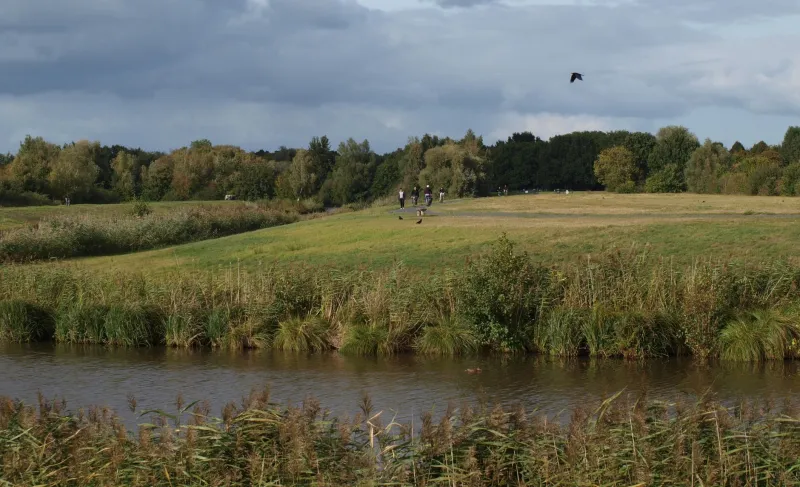
Ask most people about Oxford and they'll mention the Bodleian, the punts on the Cherwell, maybe a cream tea near the covered market. What they rarely mention is the stretch of river path that winds quietly south of the city, past water meadows still thick with dragonflies in August, past lock-keeper cottages that look unchanged since the 1930s, and through sections of riverbank where you might walk for an hour without seeing another soul.
For members of Oxon Walkers 2030, that's precisely the point.
The Thames Path National Trail runs for 184 miles from the river's source in the Cotswolds all the way to the Thames Barrier in London. Oxford sits roughly a third of the way along, and while the city-centre stretches near Folly Bridge and Christ Church Meadow get their fair share of foot traffic, the sections radiating outward — particularly heading south towards Abingdon or north towards Eynsham — remain genuinely underused. These are the walks we keep coming back to.
South to Abingdon: The Meadow Miles
If you're looking for a half-day outing that feels genuinely removed from city life, the southward route from Folly Bridge to Abingdon-on-Thames is hard to beat. It's roughly 7.5 miles one way and rated moderate — there's no significant elevation, but the path can get boggy after rain, so decent footwear is non-negotiable.
Leaving Folly Bridge behind, you pass through the broad sweep of South Hinksey and pick up the towpath proper near Kennington. Here the river widens and slows, and on still mornings the reflections of the willows on the surface are almost unsettlingly perfect. In spring, the water meadows either side burst with cowslips and ragged robin. By midsummer, reed warblers are chattering constantly from the bankside vegetation — you'll hear them long before you spot them.
Sandford-on-Thames is a worthwhile stopping point, roughly halfway. The King's Arms has been serving walkers and cyclists here for generations, and the lock itself is worth a good look — one of the busiest on the upper Thames during summer weekends, but peaceful on a midweek morning in October.
Arriving in Abingdon, the old market town gives you a proper destination feel. The return journey by bus (the X2 runs regularly back into Oxford) makes this a comfortable day walk without the need to retrace your steps.
Difficulty: Moderate | Distance: 7.5 miles one way | Best season: April–October, though winter visits have their own stark appeal
North to Eynsham: The Flood Plain Stretch
Head north from Oxford and the character of the Thames changes noticeably. The Eynsham direction takes you through Port Meadow — already well-loved by locals — but continue beyond Godstow and most day-trippers fall away. The stretch past Wytham and towards Pinkhill Lock is quieter, flatter, and in late autumn takes on a genuinely haunting quality, with mist sitting low over the flood plain and fieldfares moving through the hedgerows.
This route is approximately 9 miles return from Port Meadow car park and sits at the easier end of the difficulty scale. The surface is mostly firm track and grass, making it accessible for a wide range of fitness levels. It's one we regularly recommend to newer members who want to build up their distance gradually.
Wildlife highlights here include grey herons (practically guaranteed year-round), kingfishers along the quieter backchannels, and if you're walking at dusk in autumn, the possibility of barn owls quartering the meadows. Bring binoculars.
Difficulty: Easy–Moderate | Distance: 9 miles return | Best season: Year-round; autumn mist walks are particularly special
Seasonal Highlights at a Glance
One of the things our members love most about these routes is how dramatically they shift with the seasons. Here's a rough guide to what to expect:
- Spring (March–May): Blossom on the blackthorn, nesting swans on the river, and the first brimstone butterflies. The meadows are often flooded in early spring, adding a reflective, almost other-worldly atmosphere.
- Summer (June–August): Long evenings ideal for after-work walks, dragonflies and damselflies in abundance, and the river busy with narrowboats. Start early to avoid the heat on south-facing stretches.
- Autumn (September–November): Our personal favourite. Fungal forays along the wooded sections near Wytham, spectacular dawn mist, and the trees turning along the Abingdon road. Mud starts to appear from October onwards.
- Winter (December–February): Cold, yes. But the bare trees open up views you simply don't get in summer, and the paths are refreshingly quiet. Ice on the flood plain puddles, redwings in the hawthorns, and the particular satisfaction of a warm pub at the end.
Practical Tips for Planning Your Walk
A few things we've learned from years of exploring these routes:
Navigation: The Thames Path is generally well-waymarked with the distinctive acorn symbol, but OS Explorer Map 180 (Oxford) is worth having on your phone or in your pocket for the northern sections where paths occasionally diverge from the river.
Footwear: Trail shoes are fine for summer. From October through March, waterproof boots are strongly advised. The flood plain sections near Eynsham can be genuinely ankle-deep after prolonged rain.
Transport: Oxford's bus network makes linear walks very practical. The X2 (Oxford–Abingdon) and S1 (Oxford–Eynsham) services run frequently enough that you can walk one way and return comfortably by bus.
Group walks: Oxon Walkers 2030 runs guided Thames Path sections throughout the year — check our events calendar for upcoming dates. Walking with the group is a great way to discover spots you'd easily miss on your own, and someone else does the navigation.
A River That Rewards Attention
There's something quietly extraordinary about following a river on foot. The pace forces you to notice things — the way the light changes on the water, the gradual shift in vegetation from one stretch to the next, the small dramas of moorhen territories and competing swans. Oxford's famous skyline recedes, the noise of the city fades, and what you're left with is something genuinely restorative.
These paths have been walked for centuries. Generations of Oxford residents have come here to think, to decompress, to simply move through a landscape that doesn't ask anything of them. That tradition is very much alive, and Oxon Walkers 2030 is proud to be part of it.
We'll see you on the towpath.