Counting Every Step: How Oxford Is Tracking Its Way to a Fitter Future by 2030
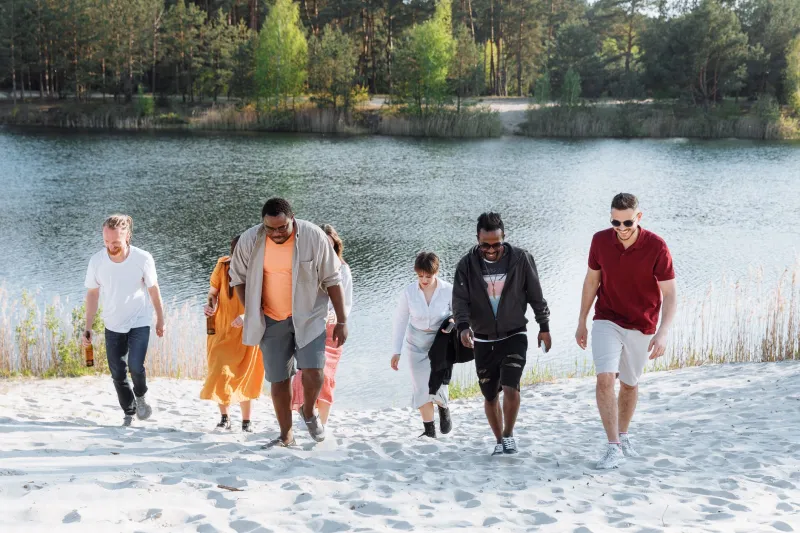
There's something quietly radical happening on Oxford's pavements, towpaths, and meadow edges. Thousands of people are lacing up, heading out, and — crucially — logging every step they take. Not for vanity, not for social media clout, but as part of something much bigger: a coordinated, evidence-based push to make Oxford one of the most walkable, healthiest cities in the UK by the end of this decade.
Oxon Walkers 2030 has always been about more than Saturday morning strolls. But over the past year or so, the ambition behind the name has sharpened considerably. What started as a community walking group has quietly evolved into something resembling a grassroots public health initiative — one armed with spreadsheets, partnerships, and a genuine appetite for measurable change.
Why Data Matters for a Walking Community
It's easy to be cynical about step counts. We've all been there — obsessively checking our wrists at 11pm, pacing the kitchen to hit an arbitrary number. But the data that Oxon Walkers 2030 is gathering operates on a very different scale and with a very different purpose.
"We wanted to move away from the idea that walking is just a nice thing to do," explains one of the group's founding coordinators. "It is a nice thing to do. But it's also a measurable intervention. If we can show, over five years, that average daily steps in our membership have gone up, that people are reporting better sleep, lower anxiety, stronger social connections — that's a story worth telling to funders, to the council, to anyone who might help us grow."
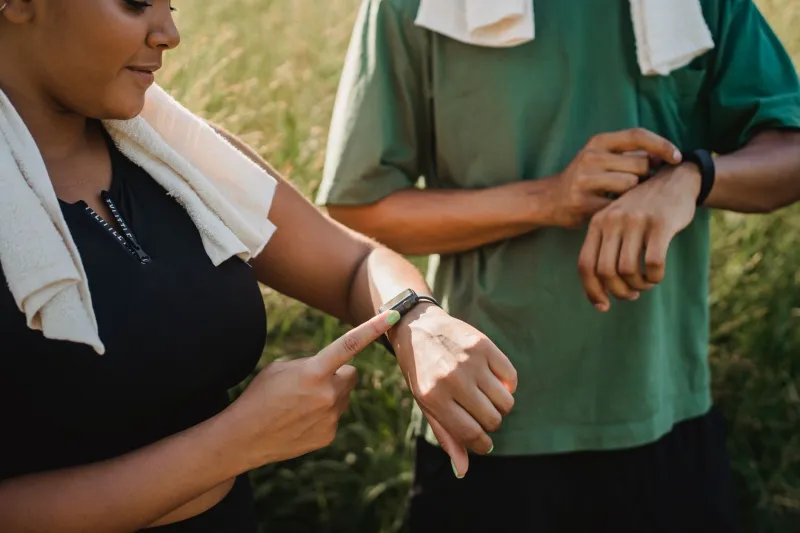
The group began collecting anonymised step data from willing members in early 2024, using a combination of smartphone apps and wearable devices. Participation is entirely voluntary, and the results are aggregated rather than individual. But even in that first year, the numbers were telling.
Early Wins from 2024: More Than Just Miles
2024 was, by most measures, a strong year for the group. Membership grew by nearly a third, with a notable uptick in younger adults and people who described themselves as "not really walkers" when they first joined. That self-identification shift alone feels significant.
The headline figure that keeps cropping up in internal reports: members who participated in at least one community challenge during 2024 logged an average of 23% more steps per week than in the months before they joined. That's not a controlled clinical trial, and the group is careful not to overstate it. But it's consistent, it's encouraging, and it points toward something real.
Community challenges have been central to this. The spring "Blossom Routes" challenge, which asked members to walk a series of curated paths around Oxford's parks and green corridors, attracted over 400 participants. A winter challenge — timed deliberately to combat the seasonal dip in activity — saw people logging miles through Port Meadow and along the Cherwell in conditions that, frankly, required a certain kind of commitment.
"What we noticed," says one walk leader who helped design several of the 2024 challenges, "is that the social element is the real driver. People don't get out of bed on a cold Tuesday because of a badge on an app. They get out because someone they like is waiting for them at the Cutteslowe Park gate."
Partnerships That Go Beyond the Path
Data collection and community challenges are one side of the equation. The other is partnership — and Oxon Walkers 2030 has been quietly building a network of local relationships that could prove transformative over the next few years.
Conversations are ongoing with Oxfordshire County Council's public health team, whose own Active Travel targets align neatly with what the group is already doing on the ground. There are also links with local GP surgeries interested in social prescribing — the growing practice of connecting patients with community activities rather than (or alongside) clinical treatment.
One GP based in East Oxford who has been referring patients to the group puts it plainly: "I can tell someone to exercise more, and they'll nod and go home and do nothing different. Or I can hand them a leaflet for a friendly walking group that meets near their house, with people their own age, doing a route they might actually enjoy. The second option works better. The data is starting to back that up."
Local businesses are also getting involved. Several independent cafés along popular walking routes have partnered with the group to offer small discounts to members — a minor perk, perhaps, but one that embeds walking into Oxford's everyday social fabric in a way that feels organic rather than imposed.
What Does Measurable Change Actually Look Like?
This is the question that the group keeps returning to, and it's worth sitting with for a moment. "Healthier city" is a phrase that gets thrown around a lot. But what does it mean in practice, and how do you know when you're getting there?
For Oxon Walkers 2030, the targets are deliberately grounded. By 2030, the group wants to have:
- Doubled its active membership from the 2024 baseline
- Demonstrated a sustained increase in weekly step counts across the membership
- Established at least five formal referral pathways with local health providers
- Contributed to at least two new or improved public footpaths in Oxfordshire through advocacy and volunteer work
- Published an annual walking health report that can be shared with the council and used to influence local transport and planning decisions
None of these are moonshots. All of them require sustained effort, goodwill, and — yes — data.
"We're not trying to be a research institution," one coordinator is keen to stress. "We're a walking group. But we've realised that if we want walking to be taken seriously as a health solution, we need to be able to show our working. That means numbers, stories, and relationships."
The Human Side of the Spreadsheet
For all the talk of targets and metrics, it would be a shame to lose sight of what's actually happening on those paths. The retired teacher who walked off her insomnia over six months of Sunday morning routes. The bloke who came along after a redundancy and ended up leading his own walks within a year. The group of women in their sixties who have turned a weekly stroll into what one of them describes as "the best therapy I've never had to pay for."
These stories don't fit neatly into a spreadsheet. But they're the reason the spreadsheet exists.
Oxford has always had a complicated relationship with its own identity — the dreaming spires, the tourists, the town-and-gown tension. But out on the paths, none of that really matters. What matters is showing up, putting one foot in front of the other, and doing it alongside other people who are trying to do the same.
By 2030, Oxon Walkers 2030 wants to have proved — with evidence, with stories, and with a community that keeps growing — that walking together isn't just good for individuals. It's good for a city.
And that's a journey worth tracking.