More Than Miles: Why Oxford's Walking Community Is Quietly Transforming Mental Wellbeing
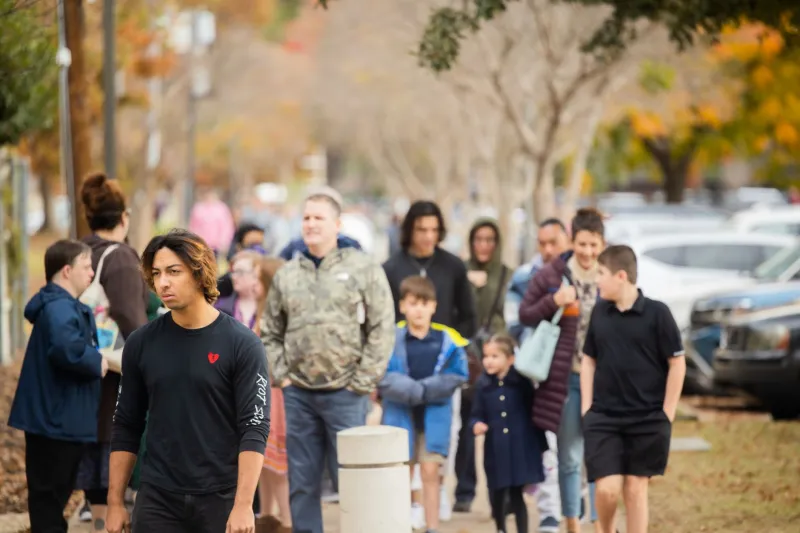
On a Tuesday morning in late autumn, a group of about fifteen people gather near the entrance to South Park on the Headington side of the city. There's a retired schoolteacher, a postgraduate student from Malaysia who arrived in Oxford six weeks ago, a man in his forties who describes himself simply as "going through a rough patch", and a semi-retired GP who joined the group initially out of curiosity and has since become one of its most vocal advocates.
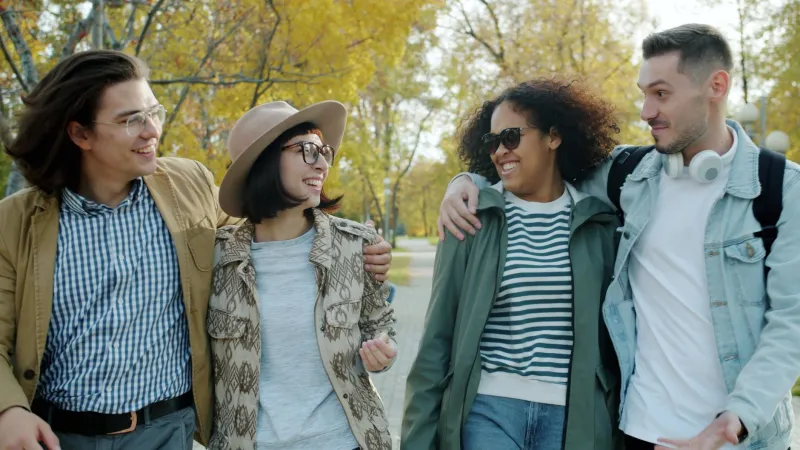
They walk together for about an hour and a half. They talk. Sometimes about nothing in particular. Occasionally about something important. And then they go their separate ways, a little warmer than they arrived — not just because of the exercise.
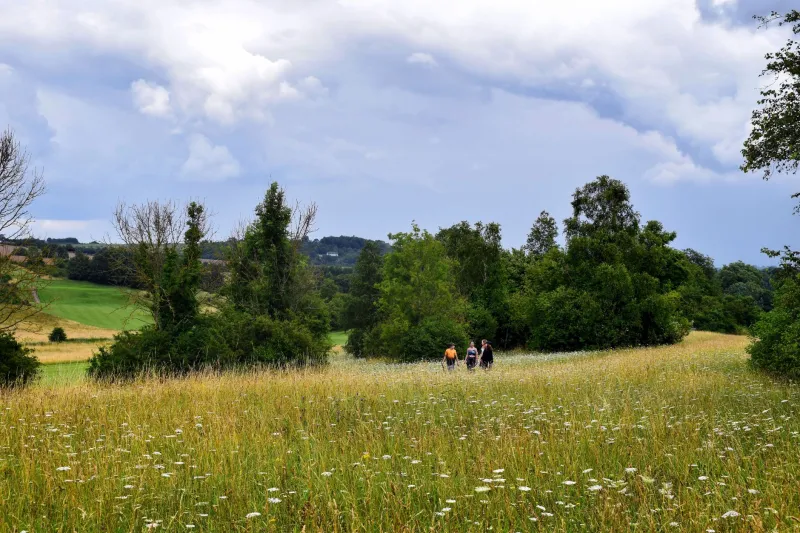
Scenes like this are playing out across Oxford every week, through Oxon Walkers 2030 and a handful of other community groups. And the people involved — walkers, health professionals, and researchers alike — are increasingly convinced that what's happening is about far more than physical fitness.
The Loneliness Problem Oxford Doesn't Like to Admit
Oxford has a particular kind of loneliness problem, and it's one that's easy to miss from the outside. The city's identity is so bound up with its university — with the image of brilliance, belonging, and intellectual community — that the reality of social isolation can feel almost embarrassing to acknowledge.
But the numbers don't lie. Oxford is home to tens of thousands of students who arrive each year knowing almost nobody. It has a significant transient population of researchers and academics on short-term contracts. It has long-established communities in areas like Blackbird Leys and Rose Hill that have historically been underserved by the wellness industry's relentless focus on the city centre. And like everywhere in Britain, it has an ageing population facing the quiet epidemic of disconnection that comes when work and family structures change.
"I see it constantly in my surgery," says Dr. Fiona Okafor, a GP based in East Oxford who has been informally recommending community walking groups to patients for several years. "People come in presenting with anxiety or low mood, and when you talk to them properly, what's underneath is often profound isolation. They don't have people to talk to. They don't have a reason to leave the house on a Tuesday morning. Walking groups don't fix everything, but they give people a structure and a community, and that is genuinely therapeutic."
What the Research Actually Says
The evidence base for walking as a mental health intervention has grown considerably over the past decade. Studies consistently show that regular moderate exercise reduces symptoms of depression and anxiety, and that outdoor exercise carries additional benefits related to exposure to natural environments and daylight — both of which are in short supply during an Oxford winter.
But the social dimension is where things get particularly interesting. Research from the University of Exeter and elsewhere suggests that group exercise confers psychological benefits over and above what solo exercise provides. The act of showing up for other people, of being expected and welcomed, creates a sense of accountability and belonging that a solo jog simply can't replicate.
Claire Whitfield, a counsellor based in Jericho who works with several clients who are Oxon Walkers members, puts it plainly: "Walking side by side with someone is a genuinely different kind of conversation to sitting across from them. There's less pressure. You're not staring at each other. People say things on a walk that they wouldn't say anywhere else. That's not just anecdote — it's something therapists have understood for a long time."
This phenomenon — sometimes called the "shoulder-to-shoulder" effect — is increasingly being explored as a complement to traditional talking therapies. Several NHS social prescribing schemes across England now include walking groups as a recommended option, and Oxfordshire is no exception.
The Particular Power of Showing Up
Ask Oxon Walkers members what keeps them coming back, and the answers are rarely about fitness targets or personal bests. They're about the ritual of it. The reliability.
Miriam Chen, 29, joined the group eight months ago after finishing her doctorate and finding herself adrift without the structure of university life. "I didn't know a single person in Oxford who wasn't connected to my department," she says. "I came to a walk expecting to feel awkward and leave early. I ended up staying for coffee afterwards and swapping numbers with two people. That sounds small, but when you're isolated, it's enormous."
Tom Bradley, 61, is more reserved about describing his experience in wellness terms — "I'm not really one for all that," he says cheerfully — but admits that the twice-weekly walks with the group have made a marked difference to his state of mind since taking early retirement. "I was going a bit stir-crazy at home, honestly. Now I've got something to look forward to. And these are proper people, not just polite acquaintances. You get to know someone properly when you've walked fifteen miles with them in the rain."
That depth of connection is something that distinguishes community walking from other forms of group exercise. A gym class is largely parallel activity — everyone doing their own thing in proximity. A walk demands genuine interaction over an extended period. Conversation flows naturally. Silences are comfortable rather than awkward. And the shared experience of navigating a muddy field or a tricky stile creates a kind of low-stakes camaraderie that's surprisingly powerful.
What Oxford's Walking Scene Could Do Better
For all its strengths, the community walking world in Oxford — like elsewhere — has gaps. Groups tend to attract people who are already reasonably confident about being outdoors, who have appropriate footwear, and who feel comfortable joining a new social group. These are not small barriers for someone in the depths of depression or severe anxiety.
Dr. Okafor raises another issue: diversity. "The walking groups I've encountered are wonderful, but they don't always reflect the full diversity of Oxford's communities. If someone doesn't see people who look like them, or if the culture feels unfamiliar, they won't come back after the first visit. That's something the whole sector needs to take seriously."
There's also the question of what happens when someone in a walking group is clearly struggling in ways that go beyond what a community setting can address. Most walking group leaders aren't trained mental health professionals, and the line between supportive community and something that requires clinical intervention isn't always obvious.
These are genuine challenges, and acknowledging them honestly seems more useful than pretending walking groups are a solution to everything. They're not. But as one piece of a broader approach to community wellbeing, they're something that Oxford should be investing in, talking about, and expanding.
An Invitation
If you've been thinking about joining a walking group — whether for your own mental health, your physical fitness, or simply because you'd like to meet some decent people and see more of Oxfordshire — the door is genuinely open. You don't need particular fitness levels, specialist kit, or a reason beyond wanting to show up.
The people who gather in South Park on a Tuesday morning, and on paths across the city throughout the week, will tell you the same thing: the hardest part is the first time. After that, it gets easier in ways that are difficult to put into words but immediately recognisable once you've felt them.
That's not a marketing line. It's just what tends to happen when people walk together.