Kit Up and Step Out: Staying Safe on Oxford's Trails as British Weather Gets Weirder
British weather has always been the subject of national conversation, gentle mockery, and the occasional genuine inconvenience. But speak to walkers around Oxford these days and you'll hear something a little different from the usual grumbling about drizzle. The patterns, they say, feel less predictable than they used to. Winters that swing between bitter frosts and unseasonably mild spells. Summers where a glorious morning can turn into a deluge before you've reached the halfway point of your route. Spring floods that linger weeks longer than expected.
For a community that has committed to walking through every season — rain, mud, and all — this shifting picture isn't a reason to stay indoors. It's a reason to get smarter about how we prepare.
What Oxford Walkers Are Actually Noticing
It's worth being clear: this isn't about doom and gloom. The Oxfordshire countryside remains genuinely beautiful in all weathers, and the vast majority of local walks are perfectly manageable year-round with the right approach. But the Oxon Walkers 2030 community has been paying attention to changes that affect practical planning.
Flash flooding along the Thames and Cherwell is the most obvious example. Port Meadow, already prone to flooding in winter, has seen more frequent and longer-lasting inundations in recent years. The Oxford Canal towpath has been impassable at certain points for stretches that would have surprised walkers a decade ago. Meanwhile, summer heat events — the kind that used to feel exceptional — are becoming something walkers actively plan around rather than dismiss.
None of this makes Oxford's trails inaccessible. But it does mean that the old habit of glancing out the window and deciding the weather looks "fine" isn't quite enough preparation any more.
The Gear That Actually Makes a Difference
Let's start with the basics, because it's easy to overcomplicate this. You don't need to spend a fortune on specialist equipment for walking around Oxfordshire. But there are a few investments that genuinely earn their place.
A proper waterproof layer. Not a shower-resistant jacket from a supermarket, but an actual waterproof with sealed seams. For the kind of sustained rain that can appear on a Cotswold walk, the difference is enormous. Brands like Berghaus and Rab offer solid options at mid-range prices, and it's worth trying before you buy — fit matters as much as spec.
Layering that works. The old mountaineering principle of base, mid, and outer layers remains the most reliable system for British conditions, where you might start a walk in a light frost and finish in warm sunshine. Merino wool base layers are particularly good because they manage moisture well and don't become unpleasant when damp.
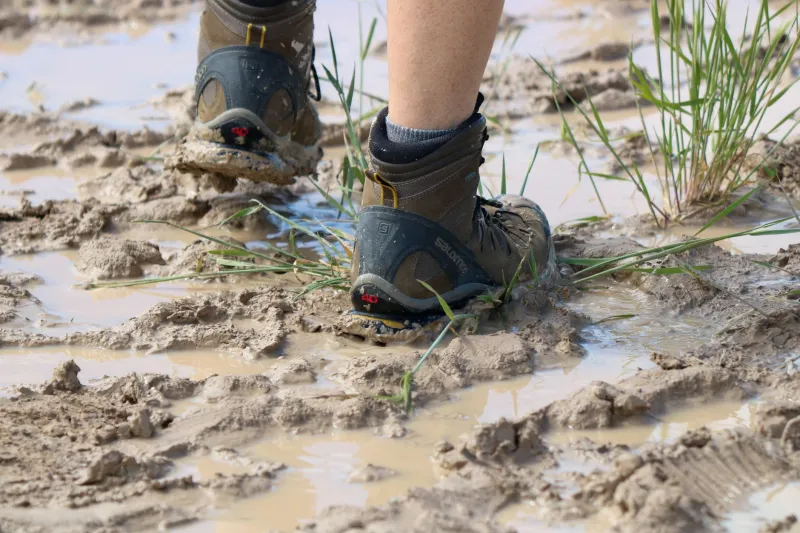
Footwear with grip. Waterproof trail shoes or lightweight walking boots with a decent lug sole make a real difference on muddy paths. In wet conditions, a smooth-soled trainer on a chalk hillside is a liability.
A small dry bag or waterproof rucksack cover. Phone, snacks, spare layers — all of it needs protecting. A cheap pack cover weighs almost nothing and takes up no space.
Sun protection, even in winter. This is the one people consistently overlook. UV exposure is significant at altitude and on reflective surfaces like water or snow, and skin damage accumulates regardless of temperature. SPF 30 and a decent pair of sunglasses are year-round kit.
Planning Smarter, Not Harder
Gear is only half the picture. The other half is how you plan your walks in the first place.
The Met Office's hour-by-hour forecasts have become considerably more reliable in recent years and are worth checking the evening before any walk of more than a couple of hours. For longer routes or days when conditions are marginal, the Mountain Weather Information Service (MWIS) covers higher ground across Britain and gives walkers a much clearer picture of what they're actually heading into.
Within the Oxon Walkers 2030 community, a few practical habits have become standard:
- Build in a bail-out option. On longer routes, identify a point roughly a third of the way in where you could cut back if conditions deteriorate. Knowing this in advance removes the pressure of making that call on the fly.
- Tell someone where you're going. Basic, obvious, and surprisingly often skipped. A quick message to a friend or family member before a solo walk costs nothing and matters a lot.
- Check river levels before Thames-adjacent routes. The Environment Agency's flood map is freely available online and takes thirty seconds to consult. Port Meadow, South Hinksey, and the Thames Path south of Oxford are the most frequently affected areas.
- Adjust start times in summer. On hot days, starting a longer walk by 8am and finishing before early afternoon makes a significant difference to comfort and safety. Hydration needs increase more than most people expect in warm weather.
Seasonal Route Modifications Worth Knowing
Some of Oxford's most popular routes need a bit of seasonal intelligence to get the best from them.
Port Meadow in winter: After heavy rain, the central meadow can be flooded for weeks. The raised path along the western edge near the railway line usually remains passable and still gives lovely Thames views — it's worth knowing this alternative before you arrive to find the main path underwater.
The Ridgeway in summer: The chalk surface of the Ridgeway dries out beautifully in summer and offers some of the finest walking in southern England. But exposed sections can be genuinely hot with little shade — carry significantly more water than you think you'll need.
Shotover in autumn: The woodland paths through Shotover Country Park become very muddy after prolonged rain. Gaiters earn their keep here in October and November.
The Cherwell Valley path in spring: Stunning for wildflowers, but some sections can be overgrown and damp underfoot. Trekking poles help with stability on the muddier stretches.
The Bigger Picture
Adapting to changing conditions isn't about becoming anxious or over-cautious. It's about walking with more awareness — of the environment, of your own preparation, and of the people you're walking with. The Oxon Walkers 2030 community has always been pragmatic about this. We walk through British weather because that's part of what walking in Britain means. We just walk a little smarter than we used to.
The trails aren't going anywhere. Neither are we.