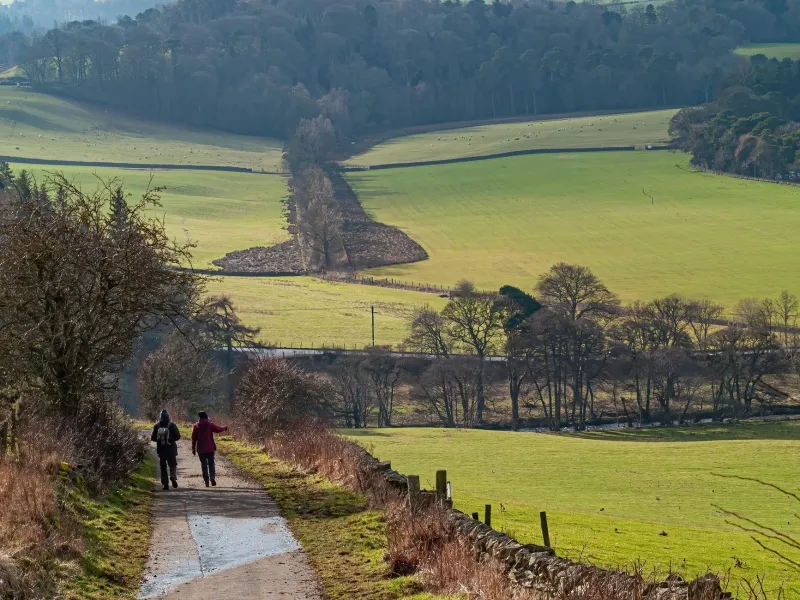
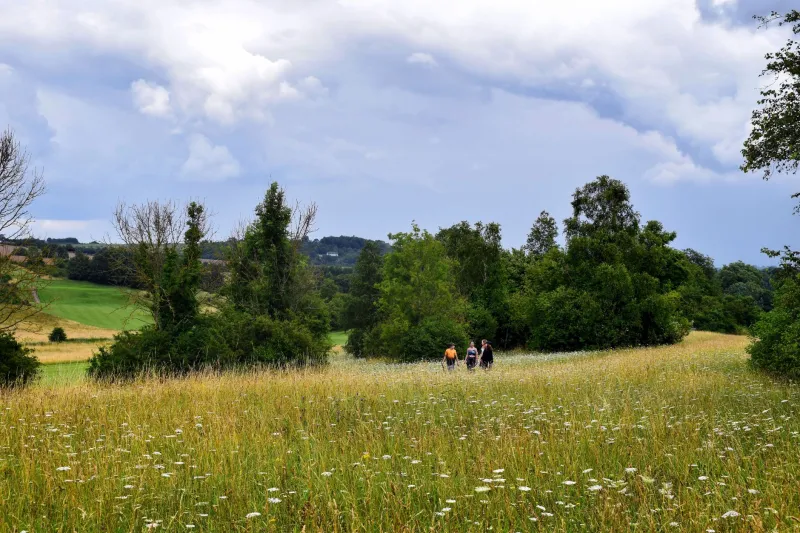
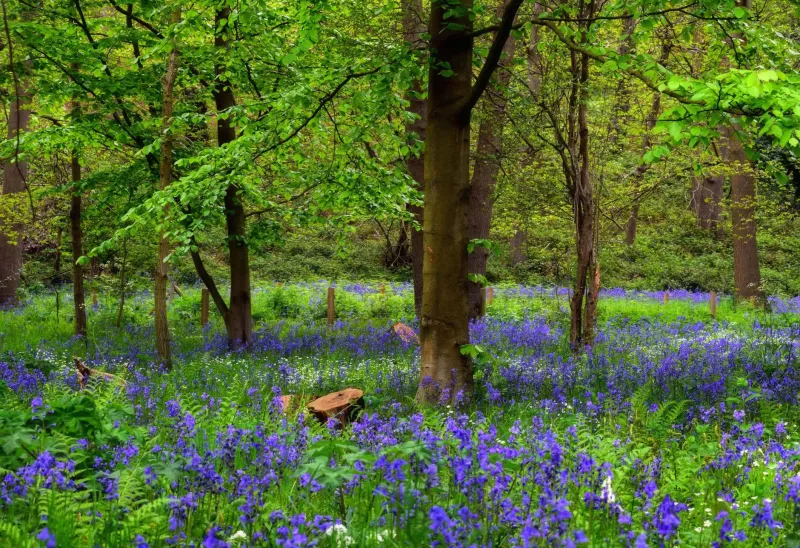
The People Who Keep Oxford Walking: Meet the Footpath Wardens Behind Your Favourite Routes
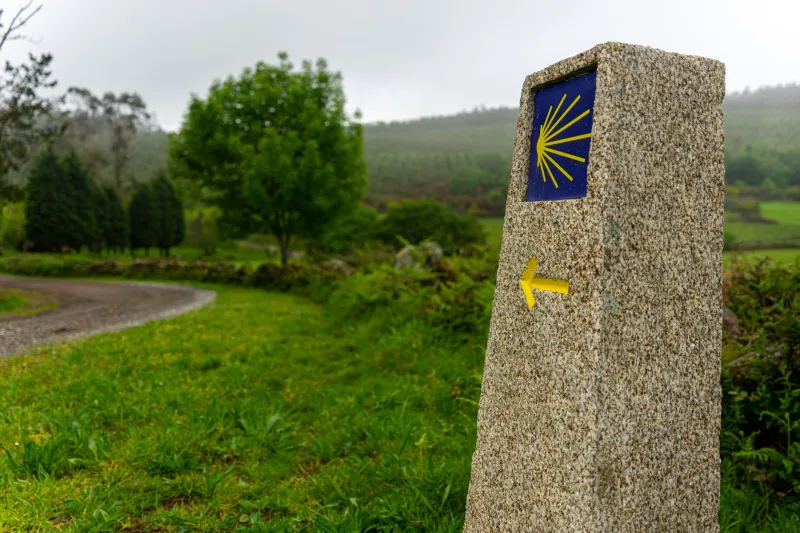
Next time you duck through a freshly cleared kissing gate or follow a crisp new waymarker arrow along a muddy field edge, pause for a second. That didn't happen by accident. Somewhere along the line, a volunteer showed up with a pair of secateurs, a high-vis vest, and a genuine love for the paths beneath their boots.
Footpath wardens are one of those quiet pillars of outdoor life that most walkers never think about — until something goes wrong. A stile that's rotted through. A path that's been ploughed over by a farmer who's pushed his luck. A signpost that's fallen flat in a ditch. These are the problems that wardens spot, report, and often sort out themselves, keeping Oxfordshire's rights of way network open and usable for everyone.
At Oxon Walkers 2030, we think it's high time we introduced you to the people doing this work.
What Does a Footpath Warden Actually Do?
The short answer: a lot more than you might expect.
Footpath wardens in Oxfordshire typically operate under the county council's Public Rights of Way team, though many also work with organisations like the Ramblers or local parish councils. Their core responsibility is to monitor a designated stretch of footpaths — usually a few miles' worth — and flag any issues that affect public access or safety.
That means walking their patch regularly (no hardship there), checking that waymarkers are in place, making sure stiles and gates are functional, and reporting obstructions like overgrown hedges, illegal fencing, or paths that have been effectively blocked by crops. In some cases, wardens carry out minor repairs themselves. In others, they escalate to the council, which has a legal duty to maintain the network.
"I think people assume it's all paperwork," says Margaret, who has been a warden for routes around the Cherwell Valley for nearly six years. "But most of it is just walking and paying attention. You get to know your paths really well — every wet patch, every awkward stile. It becomes yours, in a way."
That sense of ownership is something you hear a lot when you talk to wardens. It's not territorial, exactly. It's more like pride in something worth protecting.
Why the Network Needs You
Oxfordshire has over 3,000 miles of public rights of way. That's a remarkable figure, but it comes with a catch: keeping that network open and accessible is an ongoing challenge. Budget pressures on local councils mean that proactive maintenance can fall behind. The wardens who volunteer their time are, in many cases, the reason problems get caught before they become serious.
"There are paths out there that nobody's walked officially in years," says David, who covers a section of the Ridgeway and its surrounding network near Wantage. "If I didn't check them, some of those routes would quietly disappear. Not legally — they'd still be rights of way on paper — but practically, nobody would be able to use them."
This is a real issue across rural England. Rights of way can become effectively lost when they're not used or monitored. Landowners — not always maliciously — let hedgerows encroach, or simply don't replace a broken stile. Over time, a path that should be open to all becomes impassable. Wardens are often the first line of defence against this kind of slow erosion.
For a community like ours at Oxon Walkers 2030, this matters enormously. The routes we enjoy every weekend — the Thames Path stretches, the Chiltern footpaths, the quiet field edges around Otmoor — exist in their current form partly because people have been watching over them.
The Community Side of the Job
There's another dimension to warden work that doesn't always make it into the official descriptions: the social side.
Many wardens carry out their monitoring walks with a friend or fellow volunteer. Some local Ramblers groups organise group surveying days, combining a pleasant walk with a practical purpose. It's a genuinely good way to get to know other walkers who care about the same things you do.
"I've made some of my best friends through this," Margaret tells us. "You spend a few hours walking and talking, and you end up knowing someone properly. There's something about being outdoors together that makes conversation easier."
This chimes with what we've seen again and again in our own community. Walking is social in a low-pressure way that few other activities match. Adding a shared mission — looking after the paths you all love — gives that social connection an extra layer of meaning.
How to Get Involved
If any of this has sparked your interest, the good news is that getting started is straightforward. Here's a practical guide:
Contact Oxfordshire County Council's Public Rights of Way team. They coordinate the volunteer warden network and can tell you which areas currently need coverage. You don't need to live right next to your patch, though it helps to choose somewhere you already enjoy walking.
Get in touch with your local Ramblers group. The Ramblers have a long history of footpath maintenance and advocacy. Many groups run their own surveying programmes and welcome new volunteers warmly. It's also a brilliant entry point into the wider walking community.
Look into the British Trust for Conservation Volunteers (BTCV) and similar organisations. If you fancy more hands-on practical work — clearing vegetation, repairing stiles, installing waymarkers — conservation volunteering days are a great option. No experience is necessary, and tools and training are provided.
Start informally. Even before you've signed up for anything official, you can make a difference. Oxfordshire County Council has an online reporting tool for rights of way problems. If you spot a blocked path or a missing waymarker on your next walk, take thirty seconds to report it. That information is genuinely useful.
Talk to us. Oxon Walkers 2030 is building connections across the local walking and conservation community. If you're curious about getting involved but not sure where to start, drop us a message. We can point you towards people who are already doing this work and would be happy to show you the ropes.
Walking With a Bit More Purpose
We're not suggesting everyone needs to become an official warden. The paths will always need people who just want to walk them — that's the whole point. But there's something quietly satisfying about knowing more about the infrastructure that makes your walks possible, and about the people who look after it.
Next time you're out and you notice a freshly painted waymarker or a gate that swings open easily rather than fighting you, you'll know why. And if you find yourself thinking, I could do that — well, you probably could.
The paths are waiting. So are the people who care for them.