A Riot of Colour Underfoot: Where to Find Oxford's Wildflowers This Spring
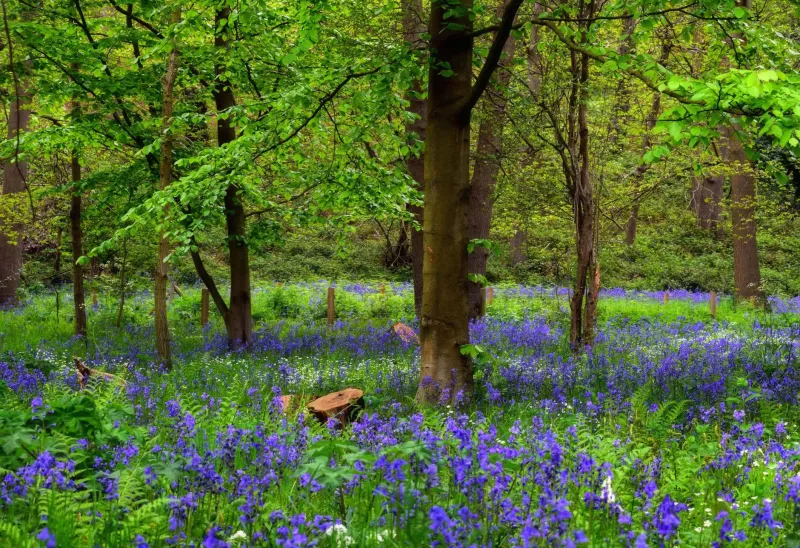
There is a particular kind of morning in late April when Oxfordshire seems to have been repainted overnight. The verges go yellow with cowslips, the woodland floors turn an impossible shade of violet, and the air carries something sweet and slightly electric that has no good name except spring. If you're a walker, these are the weeks you plan your whole year around.
At Oxon Walkers 2030, we've spent the past few springs systematically exploring the county's best wildflower routes — consulting botanists, quizzing local naturalists, and listening to our own members who've been walking these paths for decades. What follows is our definitive guide to Oxford's most spectacular seasonal blooms, with timing advice and practical notes to help you make the most of each outing.
Why Wildflower Walks Are Worth Planning Carefully
Unlike a heritage building or a hilltop view, wildflowers don't wait for you. A bluebell wood that's breathtaking on the 28th of April may be entirely over by the 12th of May. Get the timing wrong by a fortnight and you'll find yourself walking through green undergrowth wondering what all the fuss was about.
The good news is that Oxfordshire's diverse landscape — ancient woodland, chalk downland, water meadows, and hedgerow-laced farmland — means the wildflower season here runs from March right through to June, with different habitats peaking at different points. With a bit of planning, you can string together a whole season of spectacular walks.
March: Early Risers Along the Cherwell
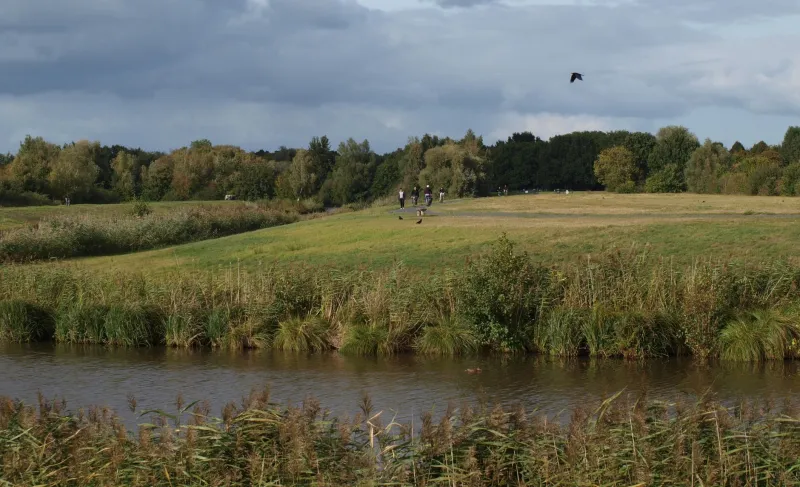
The season opens quietly, with lesser celandine and wood anemones appearing in sheltered spots as early as mid-March. The footpaths running north from Oxford along the River Cherwell — particularly between Marston and Water Eaton — are worth an exploratory walk at this time of year. The riverbanks and hedgerows here support early pollinators too, so keep an eye out for the first bumblebees of the year.
Oxon Walkers 2030 member Patricia, a retired biology teacher who's walked these paths for over fifteen years, recommends arriving early on a clear morning. "The light is extraordinary in March before it gets high in the sky. Everything looks luminous. I've photographed celandine here that looked almost tropical."
Photography tip: Low morning light and close-up composition work brilliantly for early spring flowers. A phone camera with portrait mode can produce stunning results — no specialist kit required.
April: The Bluebell Woods of Wytham and Shotover
For many walkers, this is the headline act of the entire spring season. Oxford is genuinely blessed when it comes to ancient bluebell woodland, and two sites in particular stand out.
Wytham Woods, managed by the University of Oxford and open to the public via a permit system, contains some of the finest bluebell displays in the county. The woods cover over 400 hectares and the mid to late April window typically offers the most intense colour — a haze of blue-violet that seems to float above the woodland floor. The circular routes through Wytham are well-marked and range from gentle to moderately hilly, making them suitable for most fitness levels.
Shotover Country Park, just east of the city, is more easily accessible without prior booking and equally rewarding. The eastern slopes in particular hold a dense bluebell population, and the mixed woodland here also supports early purple orchids — a real bonus for keen botanists.
Timing note: aim for the last week of April if possible. In a warm spring, peak bluebell season can arrive a week earlier; in a cold year, it may push into early May. Following the Woodland Trust's Nature's Calendar updates is a reliable way to judge conditions in real time.
Photography tip: Overcast days actually produce better bluebell photographs than bright sunshine, which can wash out the colour. A slightly grey spring morning is ideal.
May: Meadow Magic at Iffley and the Upper Thames
As the woodland flowers fade, the meadows take over. May is the month of ox-eye daisies, yellow rattle, and — in the right places — the snake's-head fritillary, one of Britain's most striking wildflowers.
Christ Church Meadow and the water meadows around Iffley are worth visiting in early May for their general wildflower diversity, but the truly special destination is Magdalen Meadow, which hosts one of the most significant fritillary populations in England. The distinctive chequered purple-and-white flowers typically peak in late April to early May, and the annual Fritillary Sunday event (usually held on the first Sunday of May) gives the public access to areas not normally open to visitors.
Further afield, the Cherwell Valley between Enslow and Kirtlington holds traditional hay meadows that burst into colour through May. Oxon Walkers 2030 regularly organises Sunday walks through this corridor — check the events calendar for scheduled outings.
Photography tip: Fritillaries are best photographed from low down, looking slightly upward into the hanging bell of the flower. Lie on the ground if you have to — it's worth it.
June: Chalk Downland and the Ridgeway
By June, the action shifts to the chalk downland south and west of Oxford. The scarp slopes along the Ridgeway National Trail — particularly around Uffington and the Lambourn Downs — are home to a remarkable array of chalk-specialist plants: common spotted orchids, pyramidal orchids, horseshoe vetch, and kidney vetch among them.
These aren't showy in the way bluebells are showy, but for those who take time to look closely, a June downland walk is endlessly rewarding. Bring a wildflower identification guide — the Collins Flower Guide is excellent — and prepare to spend more time crouching than walking.
Member recommendation: Oxon Walkers 2030 regular Simon, who leads several of our Ridgeway walks, suggests the stretch between Wayland's Smithy and Uffington White Horse as the single best June wildflower route in the region. "You've got the archaeology, the views, and the flowers all at once. It's hard to beat."
A Few Notes Before You Go
- Stick to the paths. Wildflower meadows and ancient woodland are fragile habitats. Straying off marked routes can cause significant damage to the very plants you've come to see.
- Leave everything as you find it. Picking wildflowers — even single stems — is harmful to populations and, in some cases, illegal under the Wildlife and Countryside Act 1981.
- Check access arrangements. Wytham Woods requires a free permit; Magdalen Meadow has restricted opening times around the fritillary season. Always verify before you travel.
- Bring a field guide. Half the joy of wildflower walking is learning to name what you're seeing. The more you know, the more you notice.
Spring in Oxfordshire is brief and brilliant. Get out there while it lasts.
Join one of our scheduled spring wildflower walks at oxon2030walkers.org — no experience necessary, just comfortable shoes and a sense of curiosity.