The Gentle Walk That Changes Everything: Why Rest Days Are Getting a Rethink

The traditional advice has always been simple: push hard, then rest. Work your body, recover, repeat. It's the rhythm that most people learn when they start taking fitness seriously, and for a long time it seemed like common sense.
But something interesting is happening among the more experienced members of Oxon Walkers 2030. The people who've been at this long enough to have tried everything — full rest days, active recovery, structured training cycles — are increasingly landing in the same place. The complete rest day, they say, often feels worse than a gentle walk. Not just physically. Mentally, too.
It turns out there's quite a lot of sports science to back them up.
What 'Active Recovery' Actually Means
The term gets thrown around a lot in fitness circles, sometimes to mean almost anything that isn't sitting still. For walkers, it's worth being precise. Active recovery — in the sense that physiologists use the term — refers to low-intensity movement performed after strenuous exercise, with the specific intention of supporting the body's repair processes rather than adding further stress to them.
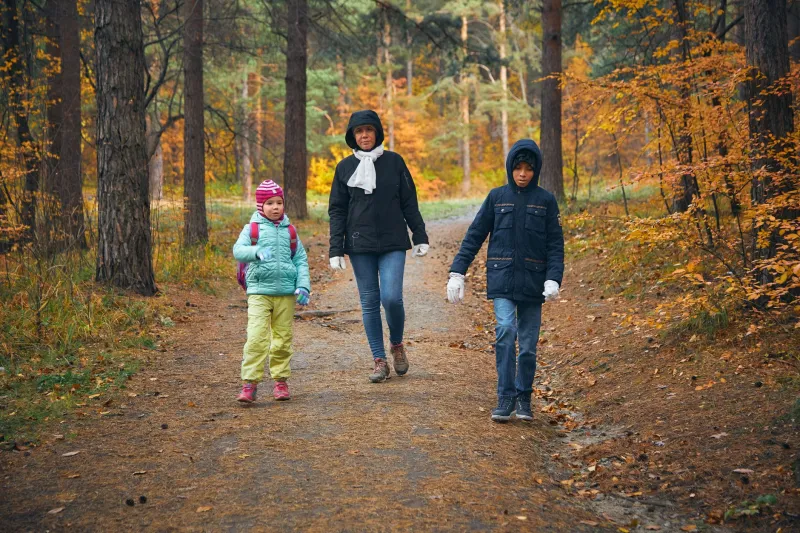
The key word is low. We're not talking about a brisk five-mile circuit. We're talking about a pace at which you could comfortably hold a conversation, on flat or gently undulating ground, for somewhere between twenty minutes and an hour. The kind of walk that feels almost embarrassingly easy after a hard day in the hills.
At that intensity, a few useful things happen. Blood circulation increases without placing significant demand on muscles that are already fatigued, which helps clear the metabolic byproducts — lactic acid and its companions — that contribute to soreness. Gentle movement also reduces the stiffness that tends to set in when tired muscles are left completely inactive. And, perhaps most importantly for walkers who've pushed hard on a long route, it keeps the body's systems ticking over in a way that complete rest doesn't.
"I used to take the day after a big walk completely off," says Helen, 44, who completed her first Brecon Beacons weekend with the club last autumn. "I'd wake up stiff, shuffle around the house, and feel oddly low. Now I do a gentle half-hour loop round the park near me and I feel completely different by the afternoon. It's not magic — it's just movement."
The Mental Reset Nobody Talks About
The physical case for active recovery is reasonably well established. The mental case is less discussed, but several of our members describe it as the more compelling argument.
There's a particular kind of flatness that can follow a brilliant walk — especially a challenging group outing or a first big expedition. You've been out, you've achieved something, you've been surrounded by people and landscape and effort. Then you come home and the day after is just... ordinary. The contrast can be deflating in a way that's hard to articulate.
A short recovery walk doesn't replicate the intensity of the previous day's experience, but it does maintain the thread. You're still outside. You're still moving. You're still, in some small way, part of the walking life rather than temporarily suspended from it.
"After our Peak District trip I came back buzzing," says Marcus, one of the club's group walk leaders. "Then Monday was a work day and Tuesday I had nothing planned and I just felt flat. I started doing a twenty-minute lunchtime walk on those days and it's made a real difference to how I land after big trips. Keeps the momentum going."
This matters particularly for people who've come to walking relatively recently and are still building the habit. One of the most reliable ways to break a new routine is to have a gap that feels too long — a day off that stretches into two, then three, then a week. A gentle recovery walk fills that gap without demanding anything significant from a body that's still recovering.
How to Structure It
The practical question is how to fit recovery walking alongside more challenging routes without turning every day into a training plan. A few principles that our members have settled on:
Keep the intensity genuinely low. If you're using a fitness tracker, aim for a heart rate well below your typical walking pace. If you're not, use the talk test: you should be able to speak full sentences comfortably throughout. If you're breathing harder than that, you're working too hard.
Choose flat, familiar routes. A recovery walk isn't the time to explore new terrain or navigate tricky paths. Port Meadow, the canal towpath, a local park — somewhere you can walk without thinking too hard about where you're going. The mental ease is part of the point.
Keep it short. Twenty to forty minutes is plenty for most recovery purposes. There's no benefit to extending it into a full walk — at that point you're adding load rather than supporting recovery.
Leave the headphones at home sometimes. Several members specifically mention that recovery walks work best as genuinely low-stimulation experiences — a chance for the mind to decompress rather than consume more content. A quiet half-hour without a podcast can feel surprisingly restorative.
Don't make it compulsory. The whole point of a recovery walk is that it feels good. If you're dragging yourself out of the house out of obligation, that's not recovery — that's just more effort. On days when your body is asking for the sofa, listen to it.
What to Watch Out For
Active recovery is not a loophole for ignoring genuine fatigue. A day after a particularly gruelling route — especially for newer walkers or anyone managing an injury — complete rest may genuinely be the right call. The distinction is between tiredness, which gentle movement helps, and exhaustion or pain, which requires proper rest and potentially a conversation with a GP or physiotherapist.
Ankle and knee niggles in particular deserve attention. Several club members have found that what felt like manageable soreness after a big walk was actually a developing issue that a recovery walk inadvertently prolonged. If something hurts — specifically hurts, rather than aches generally — rest it and get it looked at.
"I pushed through a knee thing last year because I didn't want to miss any walks," admits David, 51, from Abingdon. "Ended up off my feet for six weeks. Now I'm much more honest with myself about the difference between tiredness and something that needs attention."
The Bigger Picture
What's interesting about the shift towards active recovery among Oxon Walkers 2030 members is that it reflects a broader change in how the club thinks about walking. The 2030 Challenge has always been about building something sustainable — not a burst of effort followed by burnout, but a genuine long-term relationship with movement and the outdoors.
Recovery walking fits that philosophy perfectly. It's not about squeezing more miles out of yourself. It's about maintaining the habit, supporting your body intelligently, and staying connected to the thing you love doing — even on the quieter days.
Sometimes the most important walk of the week is the one that doesn't feel like a walk at all. Just you, a flat path, and twenty minutes of easy movement that keeps the whole thing going.
Interested in joining a recovery walk group? We're trialling informal, low-key Tuesday morning strolls around Oxford's parks this season. Check the club calendar or ask in the forum for details.