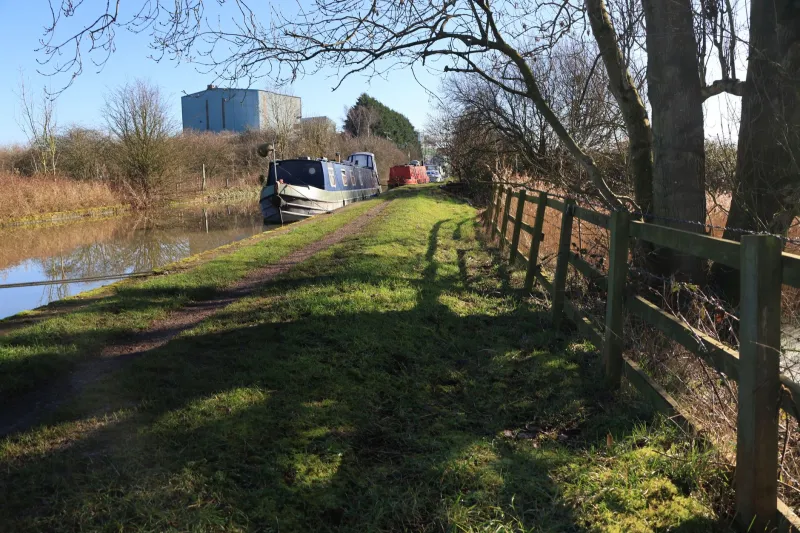
Eyes Wide Open: A Walker's Field Guide to Spotting Britain's Wild Neighbours Around Oxford
There's a particular kind of stillness that happens on a walk just before you see something wild. The air shifts a little. A twig snaps somewhere off the path. And then — if you're lucky, if you're quiet, if you've paid attention — a fox turns its amber eyes toward you before melting back into the hedge.
Most of us walk past these moments without realising they happened. We're chatting, checking our phones, crunching through leaves without a second thought. But Oxford and its surrounding countryside are genuinely rich with wildlife, and with a few simple habits, every walk becomes something a bit more extraordinary.
Here's what to look for, when to look, and how to make the most of what's out there.
Know Your Timing
The single most important thing a wildlife-watcher can do is go out at the right time. Most of Britain's larger mammals are crepuscular — most active at dawn and dusk — which means those early morning weekend walks that felt like a sacrifice actually put you in prime position.
Badgers are among the most rewarding animals to spot, but they're stubbornly nocturnal through the warmer months. Late spring and summer evenings, around 45 minutes after sunset, are your best window. Head toward areas with established woodland near farmland — the slopes around Wytham Woods, managed by the University of Oxford, are one of the most badger-dense sites in the country. Don't expect to wander in, but the field margins around the perimeter and the public paths nearby are worth lingering on at dusk.
Foxes are far more flexible and arguably the easiest large mammal to spot around Oxford. Urban foxes have colonised the city itself, and you're as likely to see one trotting across South Park at 7am as you are along a field edge near Bampton. They're bolder than people expect and will often pause to assess you before moving on.
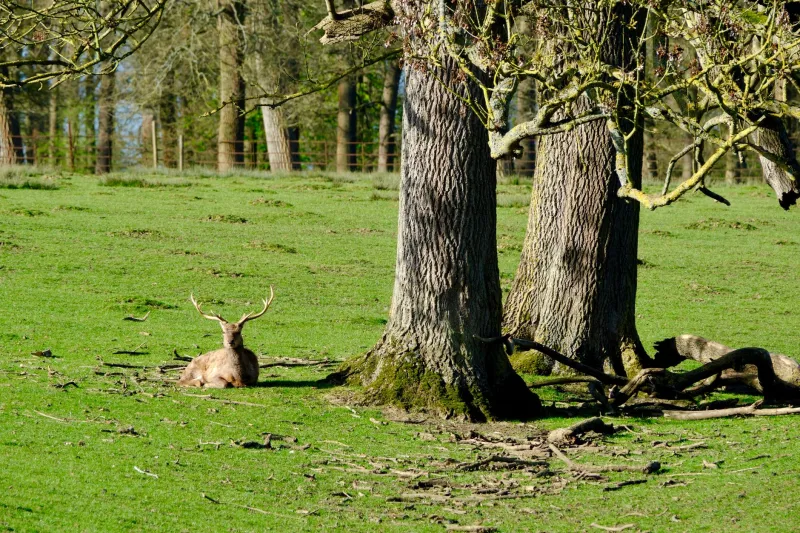
Deer are best spotted in the early morning, when they're feeding in open areas before retreating to cover. Roe deer and muntjac are both present in Oxfordshire, with muntjac — small, dog-sized, and surprisingly easy to approach — becoming increasingly common. Keep an eye on field margins and woodland edges around Otmoor, the Cherwell Valley, and the farmland south of Abingdon.
Reading the Signs
You don't need to actually see an animal to know it's been there. In fact, learning to read the landscape is half the fun.
Badger setts are unmistakable once you know what you're looking for: large, oval entrance holes (wider than a fox earth, roughly the size of a rugby ball), with fresh spoil heaps of soil and old bedding material outside. You'll often find badger latrines — shallow scrapes used as territorial markers — nearby.
Fox prints are narrower and more oval than a dog's, with the two middle toes sitting forward. Look in soft mud beside streams and ditches. Fox paths through tall grass are also surprisingly obvious once you start noticing them — neat, purposeful lines threading through vegetation.
Deer slots (hoof prints) are easy to find after rain on bridleways and soft ground. Muntjac leave small, pointed prints; roe deer are slightly larger and more rounded. Fraying — where male deer rub their antlers against young trees, leaving bark stripped and wood exposed — is another tell-tale sign of their presence.
Where to Go
Oxon Walkers members have been quietly compiling a map of reliable wildlife sightings over the past couple of years, and a few spots keep coming up.
The Otmoor RSPB Reserve and surrounding footpaths are exceptional for birds and mammals alike. The bridleways around the reserve's perimeter offer regular encounters with hares, deer, and — if you're very lucky — the occasional barn owl quartering the ditches at dusk.
The Cherwell Valley between Kidlington and Shipton-on-Cherwell is underrated for wildlife. The river corridor supports kingfishers, water voles (listen for the distinctive 'plop' as they drop into water), and otters, though the latter require patience and early starts.
Farmoor Reservoir is primarily a birding destination, but the footpaths around the western shore and toward Pinkhill Meadow are reliable for foxes and, in winter, the occasional stoat or weasel darting across the path.
How to Watch Without Disturbing
This bit matters. Wildlife watching is only worthwhile if you're doing it responsibly.
Keep noise to a minimum — this sounds obvious, but it means leaving earbuds out, keeping conversations low, and moving slowly. Animals detect movement and vibration as much as sound, so walking steadily rather than stopping and starting suddenly is better for both parties.
If you spot a badger sett or a deer with young, keep your distance and don't linger. Repeated disturbance at a sett, particularly during the spring cubbing season, can cause animals to abandon it entirely. Badgers are also a protected species under UK law, so any interference with active setts is illegal.
Dogs should be kept on leads wherever livestock or ground-nesting birds might be present — and honestly, on any route where you're hoping to see wildlife. Even a calm, well-trained dog will clear a hedgerow in seconds.
Share What You See
We've been building a shared sightings log through our member forums, and it's already turned into something genuinely useful. A member spotted a family of badgers emerging at dusk near Cassington last May; another reported regular muntjac sightings on the bridleway east of Eynsham. These aren't dramatic encounters — they're quiet, ordinary moments that make a walk feel like something more.
If you've got a sighting to share — or a route you think deserves more attention for its wildlife — drop it into the forum or tag us on your next walk. The more eyes we have out there, the richer the picture becomes.
Britain's wildlife isn't disappearing into some distant wilderness. It's right here, alongside us, using the same paths and field edges and riverbanks. You just have to slow down enough to notice it.