Walking Into Tomorrow: How Oxon Walkers 2030 Is Rethinking Its Routes for a Shifting Landscape
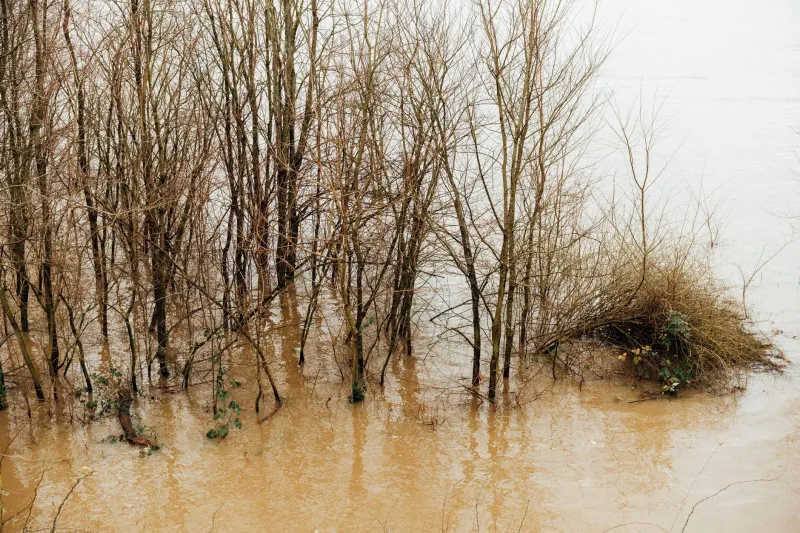
There's a stretch of path along the Cherwell — one that regulars know well — that spent most of last February underwater. Not the dramatic, news-worthy flooding that makes headlines, but the slow, creeping kind that lingers for weeks and quietly rewrites your walking plans. A few years ago, that path was reliably passable by mid-January. Now, nobody bets on it before March.
This isn't a complaint. It's an observation. And it's exactly the sort of thing that Oxon Walkers 2030 has started paying very close attention to.
The Ground Is Shifting — Literally
Ask anyone who's been walking Oxfordshire's paths for more than a decade and they'll tell you the same thing: the seasons feel different now. Springs arrive earlier but wetter. Summers swing between baking dry spells and sudden downpours that turn chalk tracks into slip hazards overnight. Autumns stretch longer, which sounds lovely until you realise that extended warmth is quietly reshuffling which plants grow where — and which creatures follow them.
For a community built around getting outside and experiencing the natural world, these shifts matter. Not in an abstract, climate-report kind of way, but in a very practical, mud-on-your-boots kind of way.
"We've had to pull back from three routes in the last two years that we'd have happily run in previous winters," says one of the group's longer-serving walk leaders. "It's not that the paths don't exist anymore. It's that they're not safe or sensible at the times we used to use them."
Planning With a Longer View
The 2030 in our name has always been about ambition — building a fitter, more connected Oxford one walk at a time. But increasingly, it's also about foresight. The group has been working quietly behind the scenes to map out how its most-used routes might need to evolve over the next five years, and what new alternatives could open up as the landscape changes.
This isn't guesswork. The group has been consulting with local naturalists, liaising with the Oxfordshire Countryside Access Team, and cross-referencing historical flood data with current Environment Agency projections. The aim is to build a flexible route library — one that acknowledges which paths are likely to become seasonally compromised and flags up emerging alternatives that might actually benefit from changing conditions.
Some of the findings are genuinely surprising. Certain elevated routes through the Chilterns, for instance, are expected to become more accessible in winter as milder temperatures reduce the deep-freeze ground conditions that once made them treacherous. Meanwhile, some beloved lowland loops near Abingdon and along the Thames floodplain will almost certainly need seasonal reclassification — shifted from year-round walks to spring-to-autumn options only.
Wildlife Corridors and the Walkers Who Share Them
It's not just the paths themselves that are changing. The wildlife that shares them is on the move too.
Oxfordshire's hedgerow network — one of the richest in southern England — is slowly shifting its ecological character. Warmer winters mean some species are appearing earlier or lingering later than they once did. Barn owls, once a reliable dusk sighting on certain edge-of-field routes, are hunting at different hours. Dormouse populations, which walkers have helped monitor through community science programmes, are showing altered hibernation patterns that affect which woodland paths should be treated with extra care during sensitive periods.
Local naturalist and occasional Oxon Walkers 2030 guest guide, Rachel Thorn, puts it plainly: "The landscape isn't broken — it's adapting. And the best thing walkers can do is adapt with it. That means being curious, being observant, and being willing to change your habits when the land asks you to."
The group is now piloting a seasonal wildlife calendar that walk leaders can reference when planning routes, flagging up nesting periods, migration windows, and sensitive habitat zones that might warrant a temporary detour or a quieter approach.
Sustainable Trail Maintenance: A Community Effort
Future-proofing routes isn't just about planning on paper — it's about getting hands dirty in the field. Oxon Walkers 2030 has been expanding its volunteer maintenance days, working alongside the British Trust for Conservation Volunteers and local parish councils to address the kind of slow-burn erosion and drainage problems that climate shifts are accelerating.
Bridleways that once drained naturally are now holding water longer, cutting ruts that widen with every passing boot. Wooden boardwalks through wetland sections are being reassessed for longevity. And the group is actively trialling new surfacing materials on high-footfall sections — materials that cope better with the freeze-thaw cycles that have become less predictable but no less damaging.
"Maintenance used to feel reactive," admits one regular volunteer. "Something broke, we fixed it. Now we're trying to get ahead of things — to look at a path and ask what it's going to need in three years, not just next month."
What This Means for You as a Walker
In practical terms, the changes coming through over the next few years will mostly feel like small adjustments rather than dramatic overhauls. Some routes you love will get seasonal labels you haven't seen before. A few will be retired from the winter programme entirely, at least temporarily. New additions will appear — paths that the group has quietly been assessing and that the shifting landscape has made more viable.
The group is also investing in better real-time communication: clearer route status updates on the website, more responsive social channels when conditions change quickly, and a revamped conditions log that members can contribute to after their walks.
The broader message, though, is one of optimism rather than anxiety. Oxford is surrounded by extraordinary countryside, and that countryside is resilient. It's been shaped by human activity, agricultural change, and shifting climates for centuries. Our job as a walking community is to stay curious, stay engaged, and keep showing up — boots on, eyes open, ready to see what the landscape is becoming rather than mourning what it used to be.
The Best Map Is an Updated One
There's an old saying among long-distance walkers: the map is not the territory. It's never been more true than now. The territory is shifting, season by season, in ways that no printed OS sheet can fully capture.
But that's also what makes walking in Oxfordshire so endlessly interesting. Every route holds something slightly different from the last time you walked it. Every season offers a new version of a familiar path. And every walk — however modest — is a small act of paying attention to the world around you.
Oxon Walkers 2030 is committed to helping you navigate all of it. The planning is underway. The conversations are happening. And the paths, however changed, are still out there waiting.
See you on them.