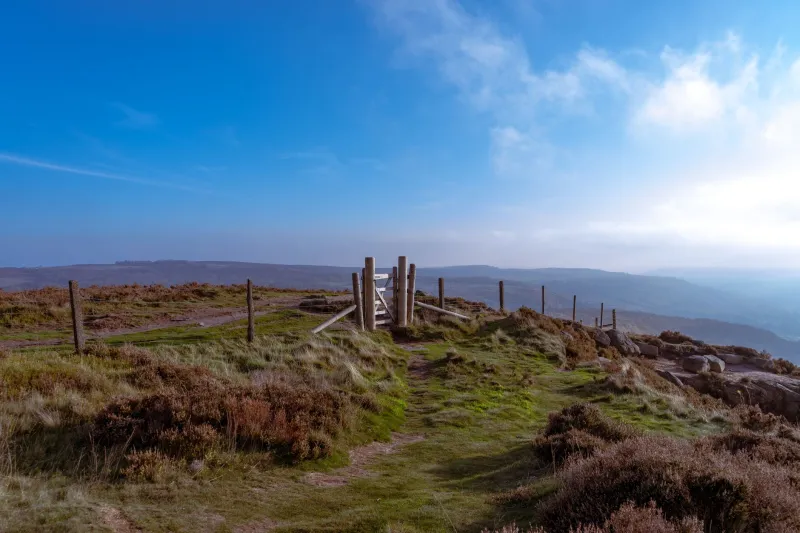
Paws on the Path: How Oxford's Dogs Are Changing the Way We Walk
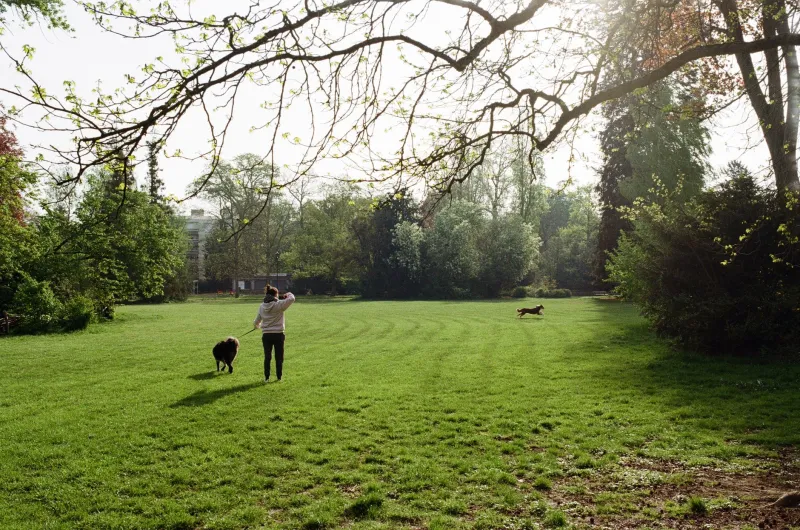
Ask any dog owner in Oxford what gets them out of bed at seven on a grey Tuesday morning, and the answer is almost always the same: a pair of expectant eyes and a tail that won't take no for an answer. Dogs have always been part of the British walking tradition, but around Oxford there's something particularly interesting happening. Canine companions aren't just tagging along — they're actively reshaping where people walk, how often they walk, and who they walk with.
The Reluctant Walker Who Got a Dog
Sarah Okafor, 43, from Headington, will be the first to admit she wasn't much of a walker before Biscuit arrived. "I'd had a gym membership for three years and used it maybe twice," she laughs. "Then we got a golden retriever and suddenly I was doing five miles before breakfast without even thinking about it."
Sarah's story is far from unusual. Research consistently shows that dog ownership is one of the most reliable predictors of regular physical activity, and in Oxford that effect is playing out on paths, parks and riverbanks across the city. For members of Oxon Walkers 2030 who've struggled to build consistent walking habits, getting a dog has sometimes done what no fitness tracker or accountability partner could manage.
What's particularly interesting is the knock-on effect. Once people are out regularly with their dogs, they start noticing routes they'd never explored before. They bump into other walkers. They join group walks. The dog, in a very real sense, becomes the gateway to community.
Where Oxford's Dogs Like to Walk
Port Meadow is the undisputed heartland of Oxford dog walking. This ancient, unfenced common stretching along the Thames is one of the few places in the city where dogs can genuinely run free, and on any given morning it resembles a joyful, chaotic canine convention. Spaniels career through the long grass, lurchers lope elegantly along the riverbank, and the occasional bewildered tourist watches the whole spectacle with mild alarm.
Beyond Port Meadow, there are some excellent options for walkers with dogs:
- The Cherwell Valley: The towpath between Magdalen Bridge and Water Eaton offers a peaceful, largely flat route ideal for dogs and their humans alike. Mostly off-road, it's good for all weather.
- Shotover Country Park: A brilliant spot for dogs who like woodland and hills. The varied terrain makes it popular with more active breeds, and there's plenty of space to stretch out.
- Farmoor Reservoir circular: A four-mile loop with big skies and open views. Dogs need to be kept on leads near the reservoir itself, but there's plenty of surrounding footpath where they can roam.
- The Oxford Canal towpath: Perfect for a longer amble. Head north from Jericho and you'll find quiet stretches where you might not see another soul for half an hour.
Jon Whitfield, who organises occasional dog-friendly group walks through the Oxon Walkers 2030 network, reckons the canal path is criminally underused. "People default to Port Meadow because it's famous, but the canal has this lovely slow quality to it. You notice more. The dogs seem calmer too, funnily enough."
The Etiquette Question
Here's where things get a little more complicated. Shared paths in Oxford — and the wider Oxfordshire countryside — are used by cyclists, joggers, families with pushchairs, and walkers without dogs. Navigating all of this requires a bit of mutual goodwill, and it doesn't always go smoothly.
The most common flashpoints tend to involve off-lead dogs approaching people who are nervous around animals, or dogs bounding up to cyclists on narrow towpaths. It's worth being honest: not everyone loves your dog as much as you do, and that's entirely their right.
A few sensible habits go a long way:
Read the environment. Busy stretches of path, narrow gates, and areas with livestock are obvious places to put a lead on. Don't wait for a situation to develop before you act.
Recall matters more than you think. A dog that comes back when called is the difference between an enjoyable walk for everyone and a fraught standoff. If your dog's recall isn't reliable, a long line is a good middle ground on open ground.
Pick it up. Every time. This one shouldn't need saying, but the evidence suggests it does. Poo bags are available at many Oxford parks and nature reserves. There is absolutely no excuse.
Acknowledge other users. A simple nod or a quick "he's friendly" goes a long way. Most people relax immediately when they know what to expect.
The Oxon Walkers 2030 community has generally found that mixed-group walks — dogs and non-dogs together — work well when everyone's expectations are set clearly from the start. A few of the longer group routes now include a rough guide to dog-friendliness in the walk notes, which has helped avoid any awkward surprises.
Dogs and the 2030 Challenge
For members working towards their 2030 fitness milestones, dog ownership can be a genuine asset. The daily obligation of a walk — rain or shine, motivated or not — builds the kind of baseline consistency that's hard to manufacture through willpower alone. Several members have reported that their step counts increased significantly in the months after getting a dog, not because they were trying harder but because the routine was simply non-negotiable.
There are caveats, of course. Dogs get tired too, especially in hot weather, and their exercise needs change with age. Some breeds aren't suited to very long distances, and any responsible walker needs to factor in their dog's wellbeing alongside their own training goals. But for many members, the dog has become an unlikely training partner — one who never cancels, never complains, and is absolutely delighted to be there.
"Biscuit has done more for my fitness than anything else I've tried," says Sarah. "And honestly, she's done more for my social life too. I know half my neighbours now because of that dog. You can't put a number on that."
She's got a point. Some of the best things about walking can't be measured in miles.